Skylight Myths Uncovered: Important Facts Every Homeowner Should Understand
A great number of homeowners harbor misconceptions about skylights, frequently seeing them as origins of trouble rather than advantages. These myths can lead to hesitance in making educated choices. To illustrate, concerns about leaks and temperature control frequently arise. Nevertheless, recognizing the truth behind these misconceptions has the power to alter opinions. As the discussion unfolds, the real advantages of skylights might grow more evident, inspiring homeowners to reassess their position on this design element.
Understanding Skylight Energy Efficiency
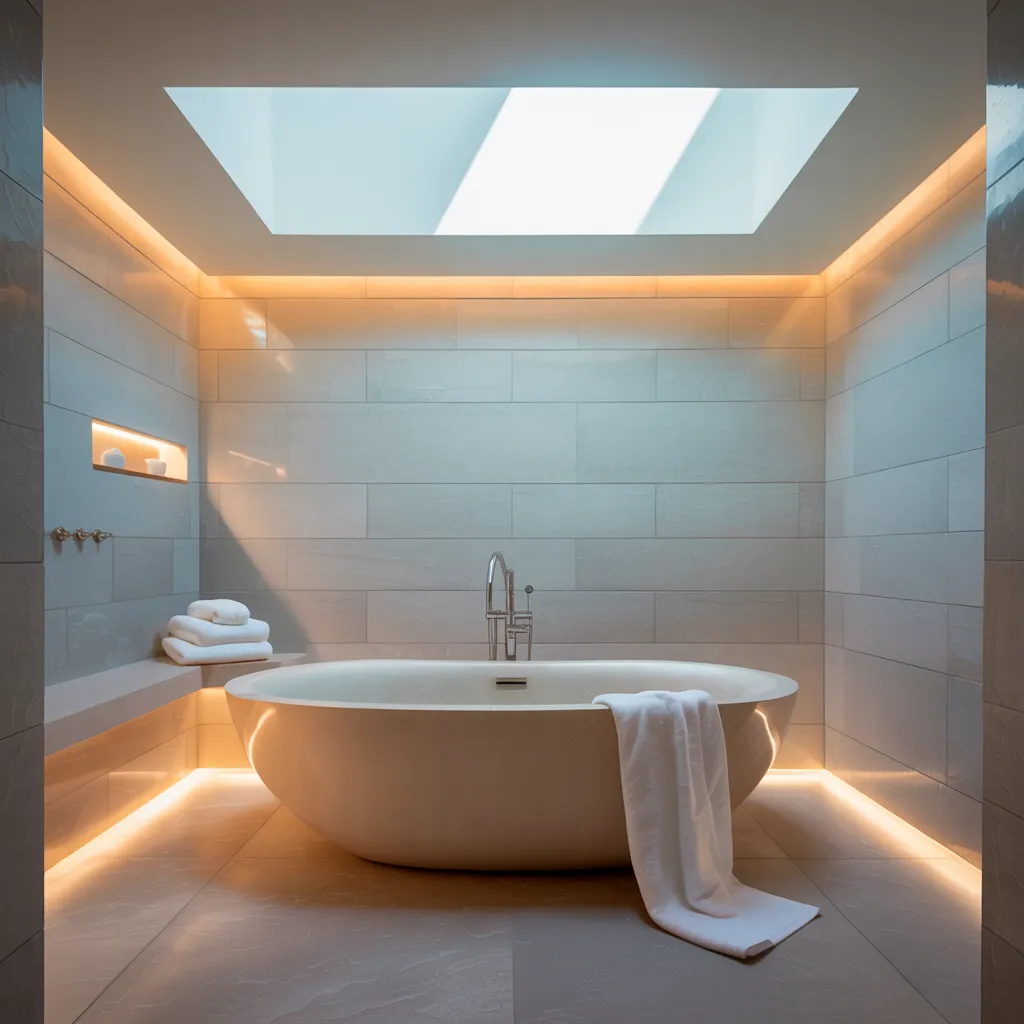
Although many homeowners believe that skylights can lead to substantial heat loss, studies reveal a more detailed reality. The efficiency of skylights largely depends on their placement, design, and construction materials. Modern skylights are often equipped with sophisticated glazing solutions that minimize heat transfer, significantly enhancing energy efficiency. Furthermore, properly installed skylights can enhance natural daylight, minimizing the need for artificial lighting and potentially lowering electricity bills.
Evidence shows that careful positioning of skylights can also support better air circulation, which may lead to reduced heating and cooling demands. However, it is essential for homeowners to opt for energy-efficient models and guarantee proper installation to achieve the best results. The common myth of skylights as energy drains can overshadow their potential advantages, making it critical for homeowners to gain insight into the technology behind modern designs and their implications on energy consumption in homes.
How Skylights Affect Home Temperature
Skylights can considerably influence a home's temperature by allowing natural light, which may lead to higher heat accumulation during warmer months. Nevertheless, when designed and installed with energy efficiency in mind, they can also promote better insulation and reduced energy costs. Recognizing these factors is crucial for homeowners thinking about skylights as a means to improve comfort while optimizing energy efficiency.
Heat Gain Factors
Introducing sunlight into a home can considerably affect its heat distribution. Skylights, while providing visual charm, can also result in increased heat gain, particularly in warmer months. Solar radiation passing through skylights can elevate indoor temperatures, especially if the units are without proper glazing or insulation. It is important for homeowners to evaluate the placement and dimensions of skylights, as these factors significantly affect how much heat is collected. Southward-oriented skylights tend to absorb more solar energy throughout the day, potentially leading to uncomfortable heat levels. To reduce undesirable heat accumulation, proper installation techniques and shading options, such as window blinds or shades, are critical. Being aware of these thermal factors is vital for property owners aiming to manage natural light with indoor temperature comfort.
Benefits of Energy Efficiency
Natural light is a key factor in boosting a home's overall energy efficiency. Skylights, when properly installed, can considerably reduce reliance on artificial lighting, resulting in reduced energy use throughout the day. By permitting natural sunlight to enter indoor areas, skylights can also help regulate indoor temperatures. During winter months, they can harness sunlight to heat living spaces, whereas in warmer seasons, sophisticated glazing solutions reduce heat gain, maintaining cooler interiors. Moreover, thoughtfully located skylights promote ventilation, permitting hot air to be released, while further promoting a comfortable interior atmosphere. Homeowners can enjoy lower energy bills and a more sustainable living environment by integrating skylights thoughtfully into their design. As a result, skylights offer an impressive answer to enhanced energy efficiency.
Do Skylights Cause Leaks?
Among homeowners contemplating skylights, worries about leaks are quite prevalent, the right installation and upkeep can significantly reduce these problems. The roof-mounted position of skylights frequently gives them a reputation for being susceptible to leaks, which may expose them to rain, snow, and other elements. Nevertheless, professional installation that follows manufacturer specifications can dramatically reduce the chance of leaks. Premium flashing materials and sealants serve as critical elements in keeping water from penetrating the installation.
Moreover, opting for the ideal materials for the skylight installation, such as specialized acrylic or double-glazed glass, expert guide can enhance durability and waterproofing. It is important to note that neglecting routine upkeep responsibilities, like cleaning and inspecting seals, can create complications over time. Therefore, while skylights can occasionally result in leaks, informed choices and attention to installation details can effectively eliminate this problem for most homeowners.
How to Care for Your Skylight
Maintaining a skylight necessitates routine care to secure its long-lasting quality and top performance. Households should begin their upkeep schedule by checking the skylight for any indicators of wear, such as splits or moisture issues. Wiping down the glass surface periodically with a soft cloth and a gentle cleaner can help reduce residue formation that may block incoming sunlight. Moreover, reviewing the flashing and weatherstripping around the skylight is imperative to guarantee they stay undamaged and reliable against water penetration.
It is equally important to eliminate any debris, like leaves or branches, that could build up on the roof or surrounding the skylight. Confirming proper drainage will prevent water pooling, which can lead to potential leaks. Lastly, arranging a professional inspection every few years can assist in detecting any underlying concerns before they develop into major problems, ensuring the skylight keeps improving the home's interior and energy efficiency.
Selecting the Perfect Skylight Style for Your Home
What steps can homeowners take to identify the skylight style that best fits their needs? The first step is to consider the architectural character of the home. Traditional homes may benefit from fixed skylights, while modern designs might complement tubular or vented options. Next, considering the room's purpose is essential; for instance, a kitchen might require a vented skylight for ventilation, whereas a living room could focus on aesthetics with a fixed skylight.
Light control is another critical factor. Property owners should consider their need for controllable light levels, which is attainable through the use of operable skylights. Additionally, local climate considerations play a role; regions experiencing significant rainfall may require sturdier, weather-resistant designs.
Ultimately, budget constraints deserve careful attention. Property owners should consider the costs of installation and maintenance against the merits of various skylight styles, making sure they select an option that aligns with both their aesthetic goals and economic circumstances.
Why You Should Consider Installing Skylights
Adding skylights provides numerous benefits that can enhance any home. They substantially enhance natural light, creating a brighter and more inviting atmosphere. This abundance of natural light can boost mood and lower the need for artificial lighting, resulting in possible energy savings. Furthermore, skylights can offer ventilation, enabling warm air to exit and fresh air to flow, leading to a more enjoyable interior climate.
Moreover, they can boost the aesthetic appeal of a home, adding architectural interest and raising property value. A great number of homeowners value that skylights can make smaller or darker spaces feel bigger and more expansive.

Questions Our Clients Often Ask
Can Skylights Boost My Home's Resale Value?
Skylights are capable of improving a home's market value by improving natural lighting and aesthetics, fostering an appealing ambiance. However, the actual increase in value often relies on market trends, location, and buyer preferences.
Can Skylights Be Installed in Any Room?
Skylights are suitable for installation in a variety of rooms, including living areas, kitchens, and bathrooms. However, considerations including roof pitch, structural support, and local building regulations should be taken into account for effective installation and performance.
Do Skylights Exist That Are Made Specifically for Flat Roofs?
Indeed, there are skylights specifically designed for flat roofs. These skylights feature a low-profile design and proper drainage systems, providing efficient water management while improving natural light and overall appeal in flat-roofed spaces.
How Can I Safely Clean My Skylight?
To safely clean a skylight, one should use a gentle cloth or sponge with a gentle cleaning agent. Do not use harsh chemicals, and use a ladder or extending tools to securely reach elevated areas.
What Is the Lifespan of a Skylight?
The expected lifespan of a skylight usually spans 10 to 20 years, influenced by the choice of materials, quality of installation, and ongoing maintenance. Periodic inspections are useful for extending the life of a skylight and preventing concerns such as leaks or structural deterioration.